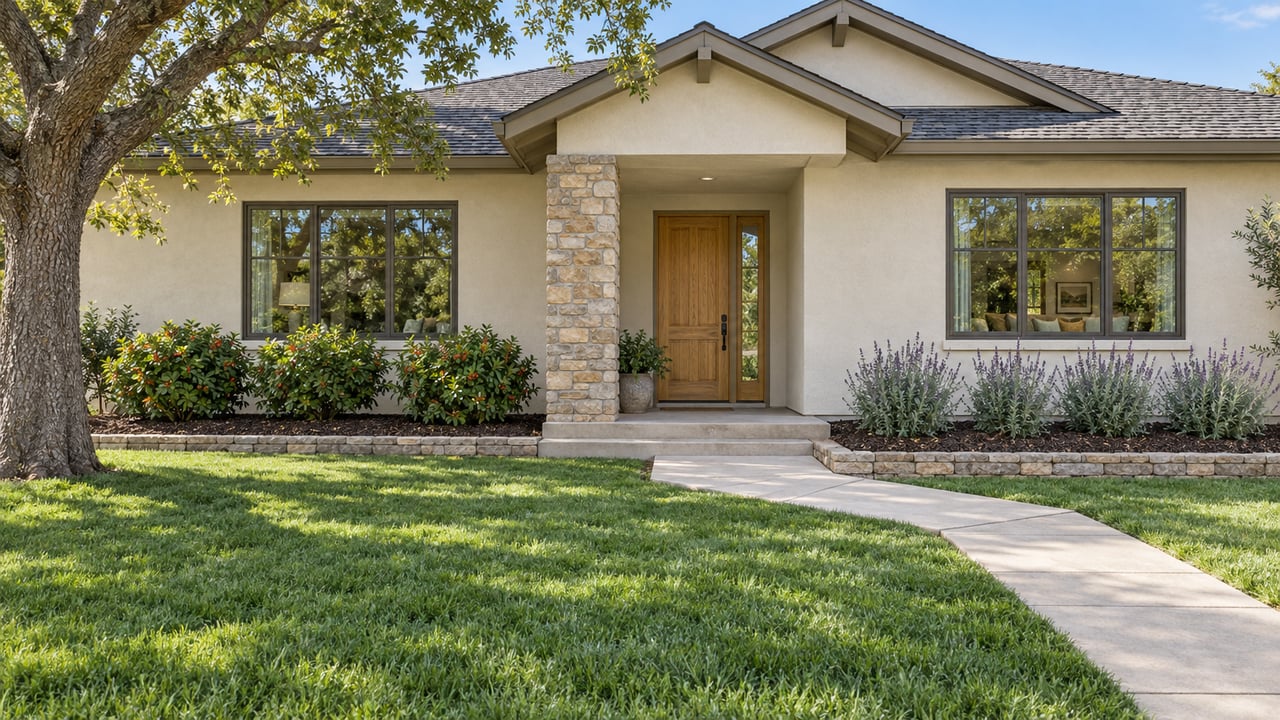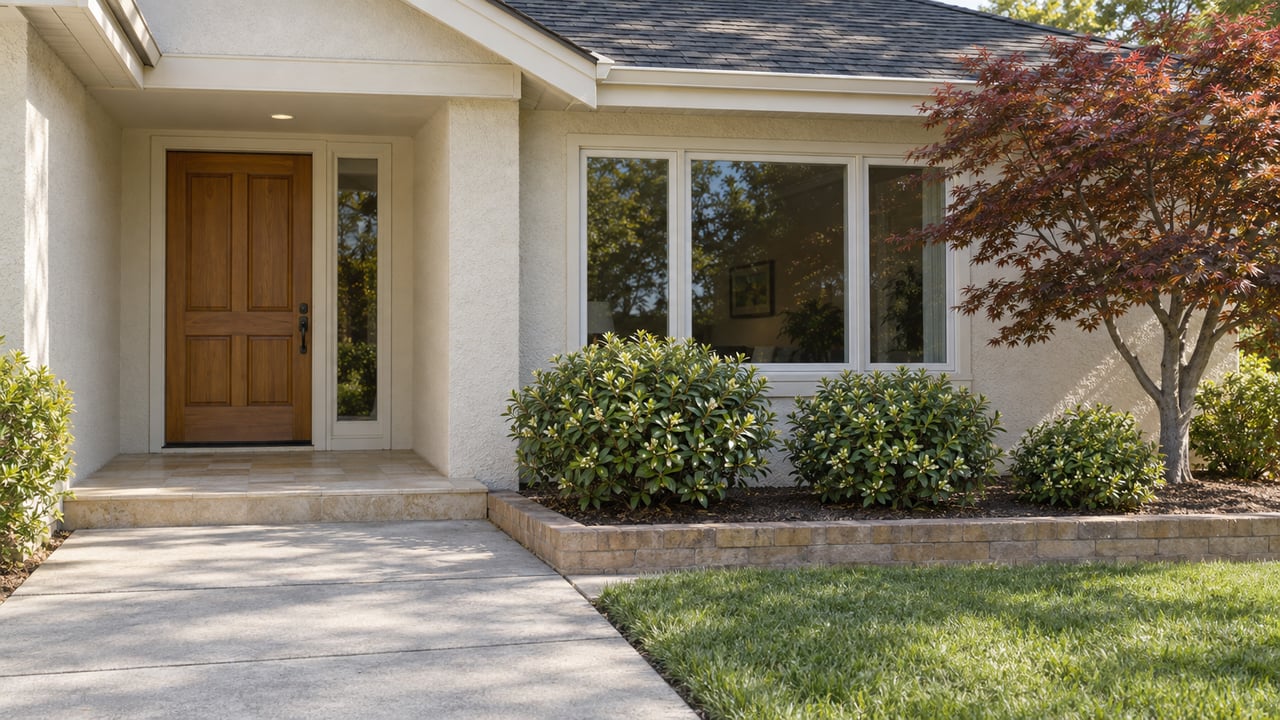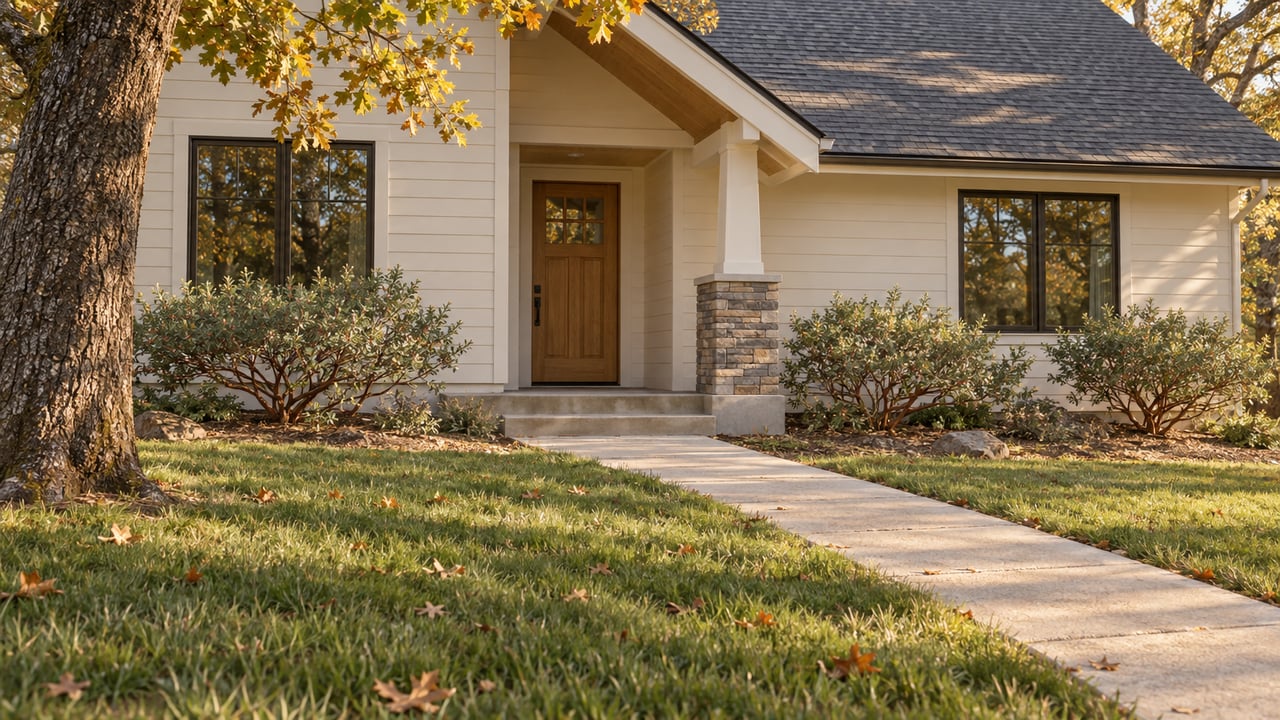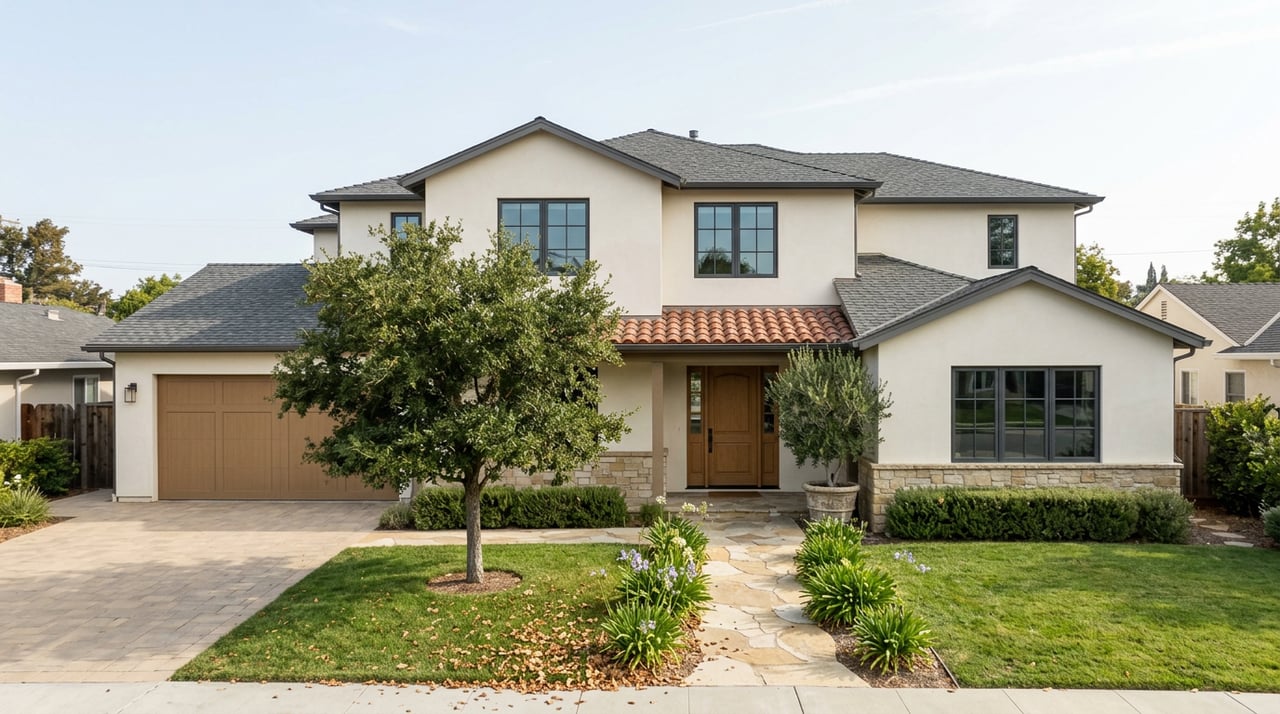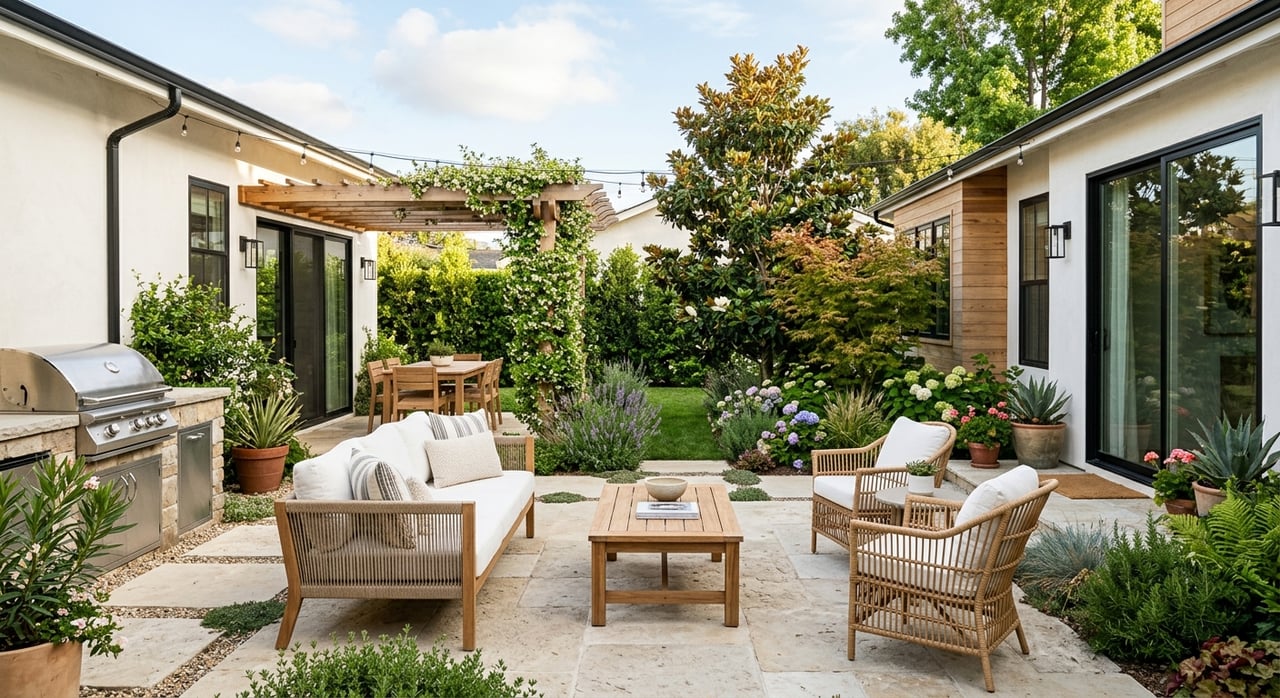
What if your outdoor space in Hancock Park did not need a major overhaul to feel more useful, comfortable, and beautiful every day? If you own a home here, you are likely balancing classic architecture, mature landscaping, warm weather, and the realities of a historic neighborhood. The good news is that thoughtful outdoor living in Hancock Park often works best when it feels layered, practical, and respectful of the home’s setting. Let’s dive in.
Why outdoor living works here
Hancock Park is known for spacious homesites, mature landscaping, raised front yards, side driveways, and rear garages. The neighborhood’s Preservation Plan describes a setting shaped largely between 1920 and 1956, with mostly two-story single-family homes and a strong architectural identity.
That matters because the most natural outdoor spaces here are often not oversized resort-style yards. Instead, the best everyday setups usually feel connected to the home’s architecture, scaled to the lot, and easy to use on a regular basis.
Los Angeles weather also helps. NOAA climate normals for the USC station show a mean annual temperature of 65.8 degrees, with very dry summers and average highs reaching 82.0 degrees in July and 84.0 degrees in August.
In practical terms, that means you can use a patio or garden space for much of the year. It also means shade, durable materials, and efficient irrigation should be part of the plan from the start.
Start with everyday use
The best outdoor living design is usually not about adding more. It is about making the space easier to enjoy for coffee, dinner, reading, visiting with friends, or letting kids and pets play.
In Hancock Park, that often means creating one or two clear activity zones instead of trying to redesign the whole yard at once. A small dining terrace, a shaded bench, or a quiet side-yard seating nook can go a long way.
Because many properties here already have side-driveway and rear-yard layouts, there is often natural room for a compact patio or lounge area. That approach tends to feel more in step with the neighborhood’s established pattern than a sweeping front-yard rebuild.
Choose spaces that fit the house
Hancock Park homes often have strong architectural character. When outdoor living spaces echo that character, the result usually feels more polished and lasting.
That does not mean your yard needs to look formal or complicated. It simply means the scale, materials, and layout should feel like they belong with the home rather than compete with it.
Rear patios for daily living
A rear patio is often the easiest place to create a true outdoor room. It offers privacy, flexibility, and a comfortable place for dining or lounging without changing the most visible parts of the property.
A modest terrace with seating, planters, and a shade element can be enough to make the backyard more usable. In this neighborhood, smaller and well-composed often feels better than oversized and busy.
Side-yard seating nooks
Side yards can become some of the most charming outdoor spots on the property. A café table, a bench, or a narrow path with layered planting can turn an in-between area into a space you actually use.
This is especially helpful if you want outdoor living without a large construction project. It is also a smart way to add function while keeping the overall layout simple.
Shaded garden moments
Summer in Los Angeles is dry and warm, so shade matters. A seating area that works at 9 a.m. may feel very different at 3 p.m.
When you plan a space, think about where the sun falls through the day. The California Department of Water Resources recommends designing around both sun and shade, which can help your landscape stay comfortable and your plants perform better.
Build a water-wise landscape
A polished Hancock Park yard does not need to rely on large areas of thirsty turf. Water-wise landscaping can still look refined, full, and intentional.
The California Department of Water Resources says turf conversion can be cost-effective, beautiful, and low maintenance. It also recommends planning with plant size at maturity, hydrozones, drip irrigation, mulch, and permeable hardscape.
Native planting can lower water use
California native plants are especially relevant in this climate. According to DWR, a well-designed native garden can use 85% less water per year than a traditional turf and high-water-use landscape.
That can be a meaningful advantage in a neighborhood where mature landscaping matters but ongoing maintenance also counts. Native planting can support a layered, established look while using water more efficiently.
You do not have to remove all lawn
If you have kids or pets, you may still want some lawn. DWR specifically notes that homeowners may choose to keep some turf and suggests low-water grasses as an alternative when reducing lawn area.
That gives you room to be practical. Instead of treating lawn as all or nothing, you can keep a small play area and redesign the rest for easier care and lower water use.
Use permeable hardscape
Hardscape helps define outdoor rooms, but the material choices matter. DWR recommends permeable hardscape to reduce runoff and support healthy soils.
For Hancock Park, modest materials like pavers, flagstone, decomposed granite joints, or a small dining terrace often make sense. These choices fit the climate, support everyday use, and can feel more appropriate than large expanses of paving.
Plan for comfort in every season
A beautiful outdoor space is only successful if you want to use it. In Hancock Park, comfort often comes down to three basics: shade, surface temperature, and easy maintenance.
Start by asking a few practical questions before making changes:
- Where do you naturally want to sit in the morning or evening?
- Which areas get the strongest afternoon sun?
- Do you want space for dining, reading, or casual entertaining?
- How much upkeep do you realistically want each week?
- Do kids or pets need a durable place to play?
These answers can shape a smarter layout than trends ever will. They also help you avoid overbuilding a space that looks good in photos but feels harder to live with.
Understand HPOZ review before major changes
Because Hancock Park is part of a Historic Preservation Overlay Zone, exterior work may be subject to additional review. The City of Los Angeles says HPOZ review can apply to landscaping, alterations, additions, and new construction.
That does not mean every outdoor update is difficult. It does mean you should understand which changes are more likely to move smoothly and which ones may need extra review.
Lower-friction outdoor updates
Based on the Preservation Plan, the easiest changes are generally planting, mulch, seating, and restrained hardscape within existing footprints. These kinds of upgrades are often the safest starting point when you want better daily outdoor use.
The plan also says front-yard landscaping is generally exempt, except for landscaping in the public right-of-way or items specifically identified in the Historic Resources Survey. Rear- and side-yard landscaping is exempt as well.
Street-visible work gets more scrutiny
The Preservation Plan gives more attention to features that are visible from the street. It specifically flags front-yard fences, walls, hedges, and pavement or hardscape outside the existing walk and driveway footprint for Planning staff notice.
It also defines street-visible facades broadly, including front and side elevations visible from adjacent streets or sidewalks, plus areas that become visible after construction. If a change will be easy to see from the public way, it is wise to pause and confirm the review path first.
Rear-yard projects may still need review
Rear-yard decks and swimming pools are generally handled more flexibly than work at the front of the property. Even so, some rear-yard work may still go through staff review or delegated authority depending on the project type and visibility.
A simple rule of thumb is this: reversible, historically respectful updates are usually the safest framing. Furniture, planting, shade, and modest patios tend to fit that approach better than major front-yard reconstruction.
Do not overlook parkway rules
If your plans reach into the parkway or other public right-of-way, separate city rules may apply. The City’s Parkway Landscaping Guidelines state that tree planting in a street generally requires a permit, and non-vegetative materials in parkways may also require permits.
So if you are thinking beyond your lot line, make sure you understand those requirements early. A curbside idea that seems simple can become more complex once public right-of-way rules are involved.
Explore local water-saving resources
If you are planning a landscape refresh, local rebate and resource programs may help. LADWP currently offers a residential turf replacement rebate of $5 per square foot for customers, with preapproval required.
Its residential SoCal Water$mart resources also point to support for turf replacement, landscape irrigation, leak detection, free trees, and free mulch. LADWP says residents can receive up to seven free shade trees, and notes that trees can help shade homes and buildings and reduce energy use.
For many homeowners, these resources can make a practical outdoor update feel more achievable. If your design goals include lower maintenance, less turf, or more shade, they are worth reviewing early in the planning process.
Think like a future seller too
Even if you are designing for your own enjoyment, outdoor improvements can shape how your home feels to future buyers. In a neighborhood like Hancock Park, buyers often respond to spaces that feel easy to maintain, comfortable to use, and consistent with the home’s architecture.
That is why presentation matters. A layered, well-edited yard can read as more valuable than a larger but less intentional one.
If you are weighing updates before a future sale, focus on choices that improve daily living and visual cohesion at the same time. The strongest results often come from clean hardscape, healthy planting, useful shade, and seating areas that help buyers picture themselves at home.
If you are thinking about how outdoor upgrades may affect your home’s appeal or market position, Lora Trenner can help you look at those decisions through both a lifestyle and resale lens.
FAQs
What outdoor living design works best for Hancock Park homes?
- In Hancock Park, outdoor spaces often work best when they are modest in scale, architecture-aware, and designed for everyday use like dining, reading, or small gatherings.
What landscape changes are easiest in Hancock Park HPOZ?
- Planting, mulch, seating, and restrained hardscape within existing footprints are generally the lowest-friction outdoor updates based on the Hancock Park Preservation Plan.
Can you keep some lawn in a water-wise Hancock Park yard?
- Yes. The California Department of Water Resources says homeowners may want to keep some lawn for kids or pets and suggests low-water grasses when reducing turf.
What Hancock Park outdoor changes may need more review?
- Street-visible changes usually get more scrutiny, especially front-yard fences, walls, hedges, and new pavement or hardscape outside existing walk and driveway footprints.
Are rear-yard patios and pools easier to add in Hancock Park?
- Rear-yard work is generally treated more flexibly than front-yard changes, but some decks, pools, and other projects may still require staff review depending on visibility and project type.
Are there water-saving rebates for Hancock Park homeowners?
- LADWP currently offers a residential turf replacement rebate of $5 per square foot for customers with preapproval, along with resources for irrigation, leak detection, free trees, and free mulch.