Choosing between a single-story and a two-story home in Hancock Park is not just about stairs or square footage. In this historic Los Angeles neighborhood, your decision also affects privacy, future renovation options, and how well a home fits the area’s established character. If you are weighing comfort today against flexibility tomorrow, this guide will help you think through the trade-offs with Hancock Park in mind. Let’s dive in.
Why story count matters in Hancock Park
Hancock Park is one of Los Angeles’ Historic Preservation Overlay Zones, also called HPOZs. City planning materials describe it as a highly intact historic neighborhood with a strong concentration of single-family homes from the 1920s through 1956.
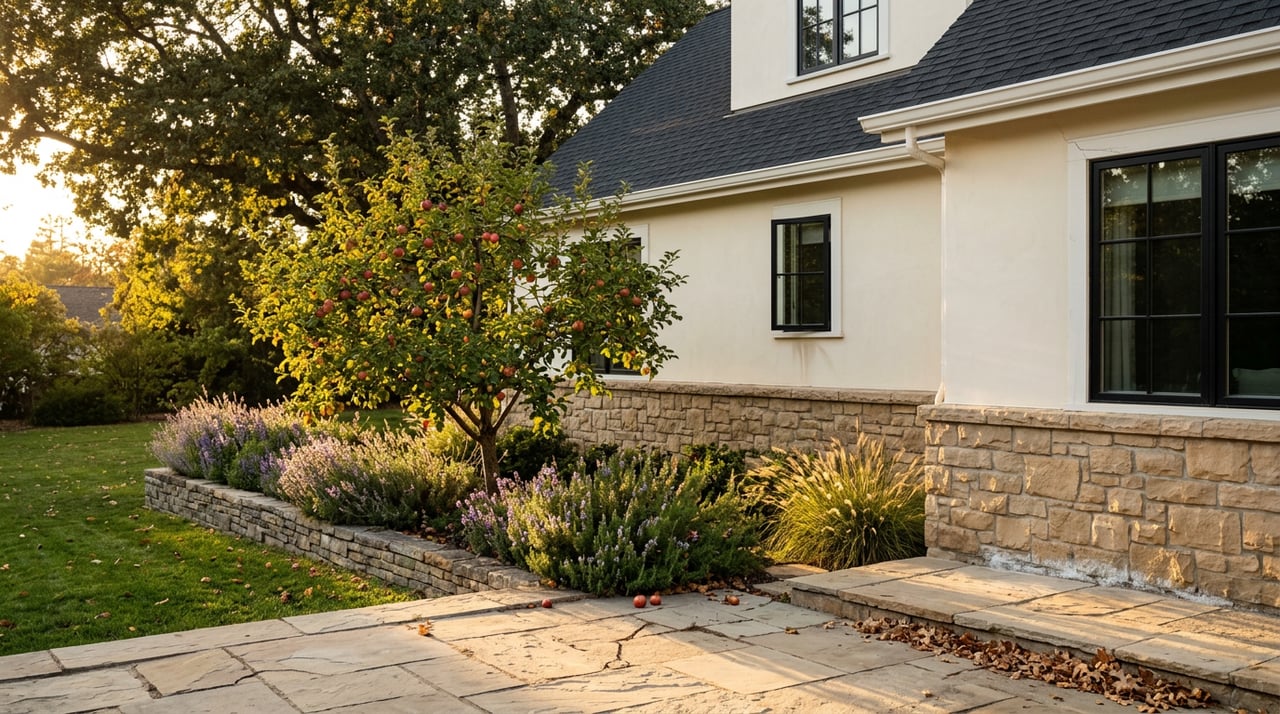
The neighborhood is also generally known for two-story homes on spacious lots, with styles such as Tudor Revival, Spanish Colonial Revival, Mediterranean Revival, Monterey Revival, and American Colonial Revival. That matters because exterior changes in Hancock Park can face added review, including some additions, landscaping updates, and even paint choices.
In other words, the single-story versus two-story question is not only personal. It also connects to preservation rules about height, bulk, massing, lot coverage, and how a home looks from the street.
Single-story homes in Hancock Park
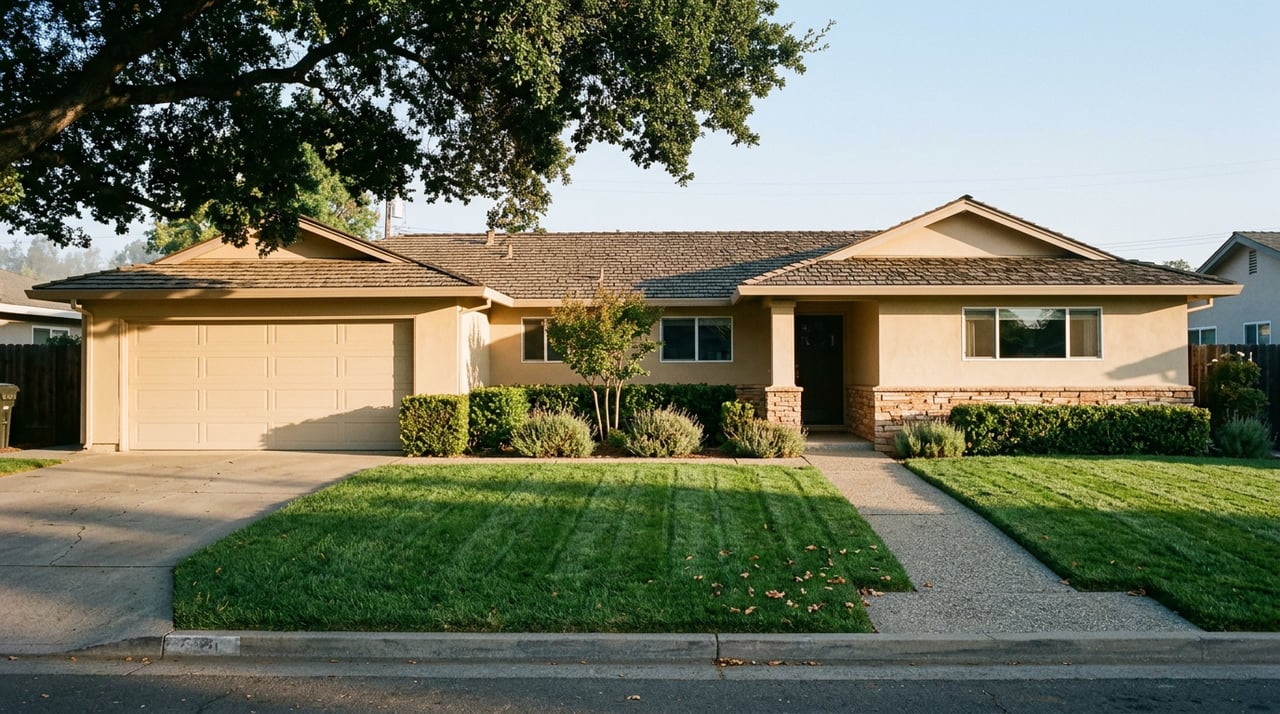
Single-story living can be a strong fit if you want easier day-to-day movement. For many buyers, having the kitchen, bedrooms, and bathrooms on one level simply feels more practical and comfortable.
That can be especially important if you are planning for long-term living or want to reduce stair use over time. A one-level layout may also feel simpler for daily routines, hosting, and general upkeep.
Why buyers like one-level living
The biggest advantage is convenience. With everything on one floor, you do not have to move up and down stairs throughout the day.
For some buyers, that is about comfort right now. For others, it is about planning ahead and choosing a home that may work better for changing mobility needs later.
The footprint trade-off
A single-story home usually needs more ground space than a two-story home with similar living area. In Hancock Park, that can matter because the neighborhood places value on preserving front-yard and side-yard depth and maintaining the traditional streetscape.
A one-story home may feel more spread out across the lot. That can leave less open space for yard use, garden areas, or future site changes.
Privacy can feel different
Single-story homes can also feel a bit more exposed, especially from the front. In Hancock Park, that issue stands out because the Preservation Plan generally views front-yard fencing as inappropriate and supports open, park-like front yards.
That means privacy often comes more from landscaping, setbacks, and interior layout than from walls or elevation. If privacy is a top priority, that is worth thinking about early.
Future additions may be limited
This is one of the most important local factors. Hancock Park’s Preservation Plan says additions should usually be placed at the rear and remain subordinate to the original structure.
It also says two-story additions to one-story buildings are strongly discouraged. So if you are thinking, “We can buy a one-story now and build up later,” that plan may not be realistic in this neighborhood.
Two-story homes in Hancock Park
Two-story homes are more closely tied to Hancock Park’s historic character. City descriptions of the neighborhood note that it was designed with palatial two-story residences, and the district is generally composed of two-story single-family homes.
Because of that, a two-story house can often feel more natural within the original architectural language of Hancock Park. For some buyers, that sense of fit is a major plus.
Better separation of spaces
One of the biggest benefits of a two-story layout is separation. You can often keep entertaining and daily living on the main floor, while bedrooms or office space stay upstairs.
That setup can work well if you want more privacy, have frequent guests, or need a clearer divide between work and home life. It can also help larger households spread out more comfortably.
More yard with a smaller footprint
Because the living space is stacked instead of spread out, a two-story home often uses less of the lot. In Hancock Park, that can mean more retained yard area relative to the home’s interior size.
For buyers who want outdoor space without giving up square footage, that can be a meaningful advantage. It also tends to align well with the neighborhood’s spacious lot pattern.
The downside of stairs
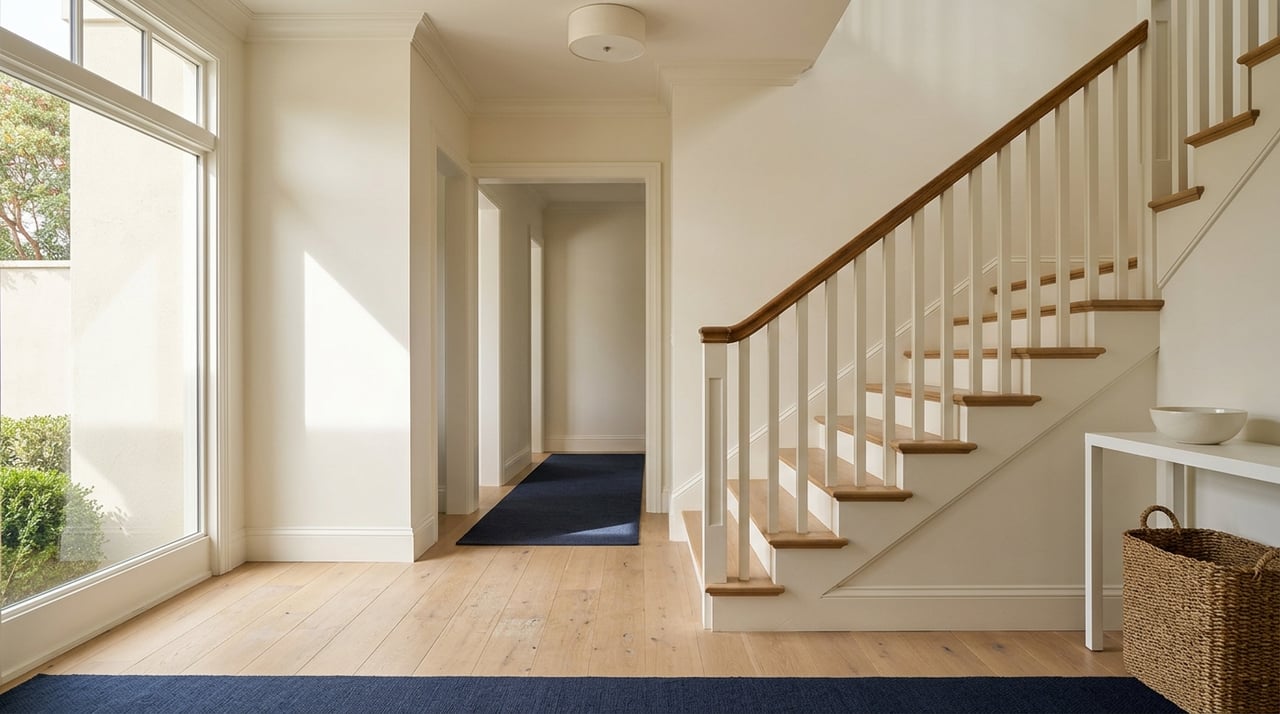
The biggest drawback is simple: stairs are part of daily life. That can be less convenient now and potentially more limiting later.
If you are buying with long-term ease in mind, this is an important point. A two-story home may offer strong space efficiency, but it may be less adaptable for buyers who want to minimize stair use over time.
Maintenance and comfort considerations
Multi-story homes can also be harder to maintain. Day-to-day cleaning, repairs, and even moving items between levels can take more effort.
Comfort can be another factor. In older homes, heating and cooling may feel less even from floor to floor, which can affect how the home lives from season to season.
How to decide what fits your lifestyle
The best choice usually comes down to how you live now and how you want to live in the future. Hancock Park adds a local layer to that decision because preservation guidelines can shape what changes are possible after you buy.
A single-story home may be the better fit if you value ease, simplicity, and stair-free living. A two-story home may make more sense if you want stronger privacy, better separation of rooms, and more yard relative to the home’s footprint.
A single-story home may suit you if:
- You want all main living spaces on one level
- You prefer to avoid stairs now or over time
- You are comfortable with a wider home footprint
- You are not relying on a future second-story addition
A two-story home may suit you if:
- You want bedrooms separated from living areas
- You value privacy for guests, work, or household routines
- You want to preserve more yard space
- You like a home style that often feels more typical of Hancock Park
Think beyond the floor plan
In Hancock Park, resale appeal is not just about whether a home has one story or two. A key local factor is how well the property respects the district’s historic scale, roofline, facade, and landscape pattern.
Homes that feel authentic to the neighborhood’s traditional streetscape may be easier to position later than homes that feel overbuilt or visually out of place. That is why it helps to evaluate not only the interior layout, but also how the home sits on the lot and reads from the street.
If future flexibility is part of your buying strategy, it is smart to examine that before you close. In a neighborhood with preservation review, the home you buy should support your likely long-term plan from the start.
The Hancock Park bottom line
If you are choosing between a single-story and two-story home in Hancock Park, there is no one-size-fits-all answer. The right move depends on your daily lifestyle, your long-term comfort, and how much future renovation flexibility you may need.
In this neighborhood, the smartest choice is often the one that balances how you want to live with how Hancock Park is expected to be preserved. When you find that balance, you are more likely to choose a home that feels right both now and later.
If you want help weighing layout, historic context, and long-term fit, Lora Trenner can help you think through your options with clear, practical guidance.
FAQs
What is the main difference between single-story and two-story homes in Hancock Park?
- In Hancock Park, the difference is not only layout. It also affects privacy, lot coverage, yard space, stair use, and what future exterior changes may be realistic under HPOZ preservation guidelines.
Are two-story homes more common in Hancock Park?
- Yes. City planning materials describe Hancock Park as generally composed of two-story single-family residences on spacious lots, making two-story homes more typical of the neighborhood’s historic character.
Is a single-story home easier for long-term living in Hancock Park?
- For many buyers, yes. A single-story layout can make daily movement easier and reduce reliance on stairs, which may be helpful if you are thinking about long-term comfort or changing mobility needs.
Can you add a second story to a one-story home in Hancock Park?
- Hancock Park’s Preservation Plan says two-story additions to one-story buildings are strongly discouraged, so buyers should not assume that building up later will be a simple option.
Do single-story homes in Hancock Park have less privacy?
- They can. Because front-yard fencing is generally considered inappropriate in Hancock Park, privacy in a one-story home often depends more on landscaping, setbacks, and interior layout.
Which home type may leave more yard space in Hancock Park?
- A two-story home often does, because it can provide similar living space with a smaller footprint, leaving more of the lot available for yard area.