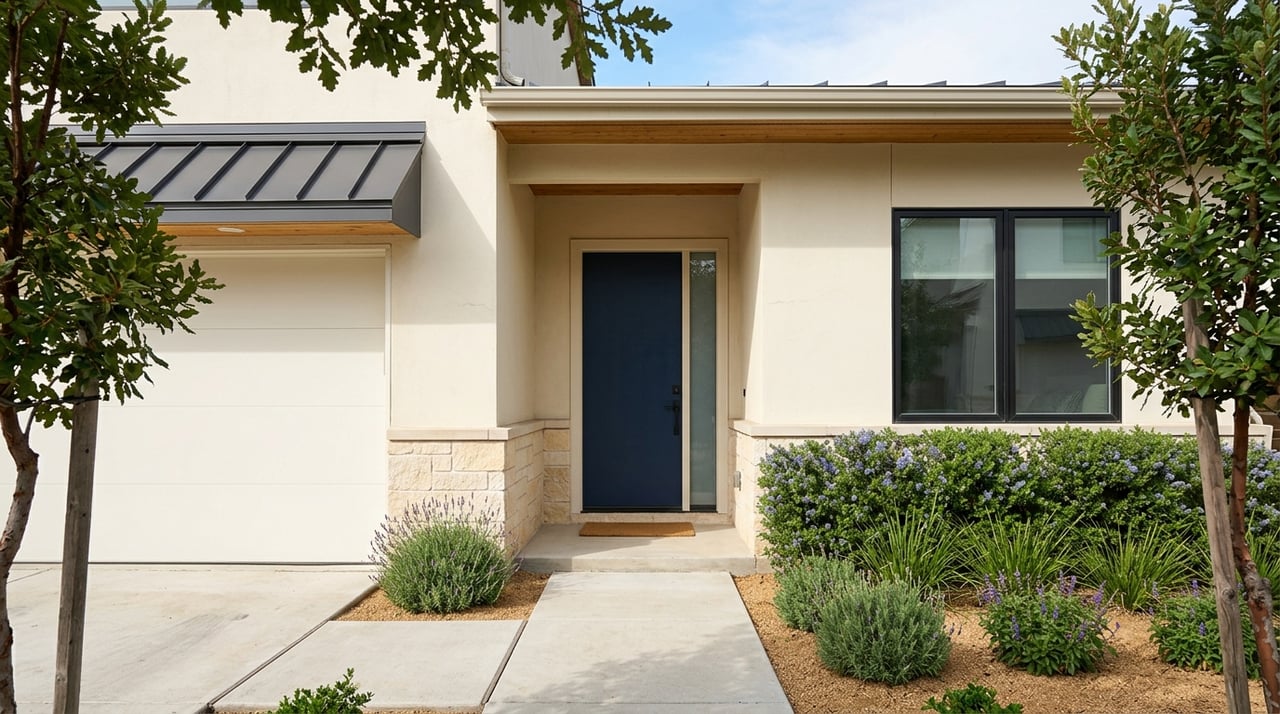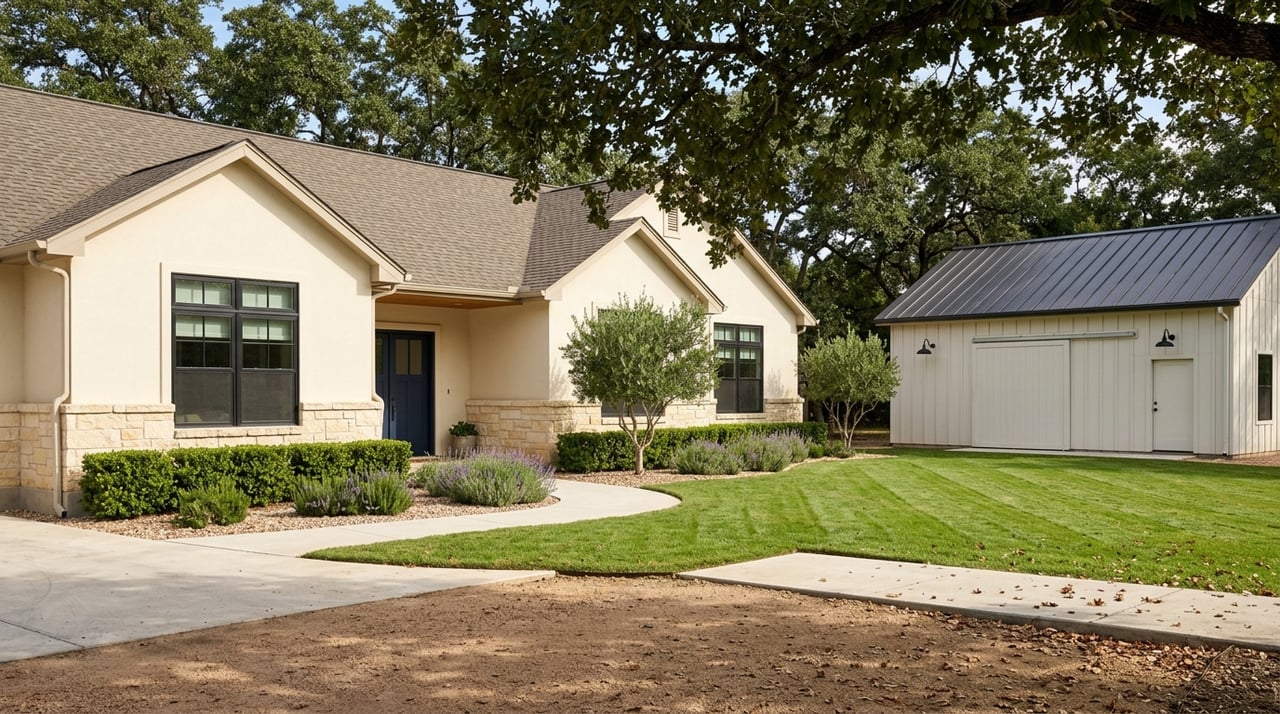
If you are getting ready to sell a small-acreage home in Durham, the house is only part of the story. Buyers are also looking at how the land works, what it will take to maintain, and whether key rural property details are clearly documented. When you prepare the right way from the start, you can make your property feel easier to understand, easier to picture living in, and easier to value. Let’s dive in.
Start With the Parcel Story
In Durham, small-acreage homes are often shaped by their rural setting, nearby agricultural activity, and parcel-specific county rules. That means your first step should not be paint colors or porch pots. It should be understanding exactly how your parcel is zoned, whether any overlay rules apply, and what nearby land uses may affect buyer expectations.
Butte County notes that zoning and standards can vary by parcel, and the county also uses a Right-to-Farm disclosure framework. In practice, that means buyers may need to understand that nearby agricultural operations can involve normal conditions such as noise, odors, dust, smoke, machinery, and pesticide application. Getting clear on that early helps your home get marketed as a well-positioned rural property, not as a suburban house with extra land.
Clarify How the Acreage Functions
Most buyers will want a simple answer to one question: How does this land work? You should be ready to show what parts of the property are usable and how they support daily life. That includes driveways, turnarounds, storage areas, fencing, garden space, irrigation, animal areas, and outbuildings.
When these features look intentional, buyers tend to feel more confident. When they look unclear or neglected, buyers may focus on maintenance burden instead of opportunity. A strong sale starts by making the land easy to read.
Make the Exterior Feel Manageable
On a small-acreage property, exterior presentation matters just as much as interior presentation. Buyers often see the property online first, and they quickly form opinions based on how clean, organized, and usable the land appears.
According to the National Association of Realtors 2025 home staging report, 83% of buyers’ agents said staging made it easier for buyers to visualize a property as their future home. The same research found that photos were rated even more important than physical staging, with videos and virtual tours also playing a major role in online marketing. For a Durham acreage property, that means your exterior setup needs to photograph as well as your living room.
Clean Up Sheds, Barns, and Equipment Areas
Rural properties often collect tools, trailers, materials, and supplies over time. Before listing, clear unnecessary clutter from sheds, barns, side yards, and work areas so buyers can see the purpose of each space.
You do not need to erase the property’s rural character. You just want the layout to feel useful and maintained. Defined paths, open access routes, and organized storage help buyers picture the property as practical rather than overwhelming.
Show Access and Layout Clearly
A small-acreage home sells better when buyers can quickly understand how to move through the property. Make sure gates open properly, driveways are clean, turnarounds are visible, and walkways feel intentional.
This is especially important in Durham, where properties may sit near orchards or other agricultural uses. A clear layout helps buyers focus on what the land offers instead of wondering how they would use it.
Treat Wildfire Readiness as Sale Prep
In Butte County, wildfire readiness is not a side project. It is a core part of preparing many properties for market. Buyers notice it, and in some cases, documentation may matter during the sale process.
CAL FIRE says wildfire preparedness starts with home hardening and defensible space. The agency recommends maintaining 100 feet of defensible space, keeping annual grass at a maximum height of four inches, moving combustible materials at least 30 feet from the home, and keeping the first five feet around structures ember-resistant.
Focus on Defensible Space First
For many sellers, this work creates two benefits at once. It can support compliance needs, and it also makes the property look better cared for. Trim overgrown vegetation, remove dead brush, clear around outbuildings and propane tanks, and relocate wood piles if needed.
Butte County supports defensible-space work through its Fire Prevention Bureau and county resources. The county also handles defensible-space inspections and provides information related to evacuation planning, fire hazard severity mapping, and real estate inspections.
Verify Current Fire Hazard Maps
Do not assume an old report or prior listing still reflects the parcel’s current fire-hazard status. CAL FIRE classifies areas by parcel and map updates matter. Butte County has also posted local fire hazard map materials in 2025, so this is worth checking before you go live.
This step can help you avoid surprises and prepare better disclosures. It also gives buyers more confidence that the property has been thoughtfully reviewed.
Gather the Rural Property Paperwork Early
One of the best ways to reduce stress before listing is to gather documents well in advance. On a small-acreage property, buyers often care about rural infrastructure as much as cosmetic condition.
If your home has a private well, septic system, outbuildings, or recent improvements, start assembling the records now. Waiting until escrow can slow momentum and create unnecessary uncertainty.
Organize Well and Septic Records
Butte County Environmental Health is the local permitting authority for wells and onsite wastewater treatment systems. The county states that wells must be drilled and constructed under permit by a licensed C-57 water well contractor, and it also oversees septic design, installation, and repairs.
Useful records to gather may include:
- Well permits
- Water test results
- Pump service records
- Septic pumping records
- Septic inspection reports
- Any open or past permit paperwork
When you can hand buyers a clearer paper trail, the property often feels more transparent and easier to evaluate.
Pull Records for Repairs and Improvements
California sellers are required to complete a transfer disclosure statement covering the property’s physical condition and known issues. The California Department of Real Estate also notes that the Natural Hazard Disclosure Statement must identify whether a property is in a high fire hazard severity zone and whether it is in a state responsibility area or local responsibility area.
If you acquired title within the last 18 months, additional rules may apply. According to the DRE’s 2025 law refresher, contractor-performed additions, structural changes, alterations, or repairs over $500 must be disclosed, along with contractor names and permit copies.
Be Ready for Agriculture-Adjacent Questions
If your property sits near orchards or other active farming uses, expect buyers to ask practical questions. They may want to understand nearby operating conditions, easements, buffers, and what day-to-day life can look like in an agricultural area.
Butte County’s Right-to-Farm system is designed to inform buyers about normal agricultural impacts. Being prepared to discuss that calmly and clearly helps set accurate expectations and builds trust.
Use Photography to Tell the Full Story
Professional marketing is especially important for a small-acreage property because scale can be hard to capture. Strong visuals help buyers understand not just the home, but also the land, layout, access, and relationship between structures.
This is where timing matters. Your property should be fully cleaned, trimmed, and organized before photos are taken, not halfway there.
Prioritize Professional Photos
The 2025 NAR staging report makes it clear that listing media strongly shapes buyer interest. For acreage homes, professional photography can make a major difference because it shows depth, boundaries, outdoor utility, and the way each feature connects.
A phone camera rarely tells that story well. If aerial images are used, they should be captured by an operator following FAA Part 107 rules for commercial drone use.
Avoid Misleading Image Edits
Clean, polished marketing is helpful. Misleading edits are not. The California Department of Real Estate says digitally modified images that change the appearance of the property require clear disclosure.
That means your marketing should highlight the property honestly. You want buyers to feel impressed when they arrive, not confused.
Follow a Smart Pre-Listing Timeline
A small-acreage sale usually works best when preparation happens in stages. That gives you time to handle county lookups, maintenance, cleanup, and media in the right order.
Here is a practical timeline based on the research:
Six to Eight Weeks Before Listing
- Check parcel zoning and any overlay rules
- Review current hazard map status
- Search permit history
- Request well and septic records
- Build a repair and cleanup list
Three to Four Weeks Before Listing
- Complete defensible-space work
- Mow and trim the property
- Remove debris and outdoor clutter
- Clean up barns, sheds, and storage areas
One to Two Weeks Before Listing
- Deep clean the home
- Stage key interior spaces
- Schedule photography
- Add aerial images if appropriate
- Prepare listing remarks and property materials
Listing Week
- Do final exterior touch-ups
- Confirm the showing plan
- Keep the property clean and photo-ready
- Stay on top of mowing and general maintenance
This kind of sequence helps your listing launch with fewer loose ends. It also supports stronger first impressions both online and in person.
Why Coordination Matters in Durham
Selling a small-acreage home in Durham is rarely as simple as listing a standard subdivision property. You may need to coordinate zoning research, fire-prevention prep, Environmental Health records, vendors, photography, and timing all at once.
That is why a clear plan matters. When the home, land, records, and marketing all work together, buyers can focus on the value of the property instead of the unknowns.
If you are preparing to sell in Durham, a presentation-first approach can make the process feel much more manageable. For thoughtful guidance on pricing, prep, and marketing your small-acreage property, connect with Lora Trenner.
FAQs
What should you do first before selling a small-acreage home in Durham?
- Start by confirming your parcel zoning, checking for overlay rules, and understanding any nearby agricultural context that may affect disclosures or buyer expectations.
Why does exterior cleanup matter for a Durham acreage listing?
- Buyers often see the property online before visiting in person, and clean, organized outdoor spaces help the land feel usable, maintained, and easier to understand.
What wildfire preparation matters when selling a home in Butte County?
- CAL FIRE recommends 100 feet of defensible space, annual grass at four inches or lower, ember-resistant space in the first five feet around structures, and clearance around items like propane tanks and outbuildings.
What records should you gather for a Durham small-acreage sale?
- Helpful documents include well permits, water test results, pump service records, septic pumping or inspection records, permit history, and records for any recent contractor-performed work.
Do drone photos help market a small-acreage home in Durham?
- Yes, aerial images can help show scale, layout, and access more clearly, but they should be captured by an operator following FAA Part 107 rules for commercial drone use.
How far ahead should you prepare a small-acreage property for sale in Durham?
- A good planning window is about six to eight weeks before listing so you have time for county research, maintenance, defensible-space work, cleanup, staging, and photography.